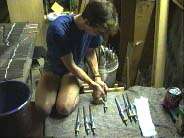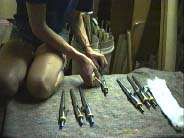
Installation
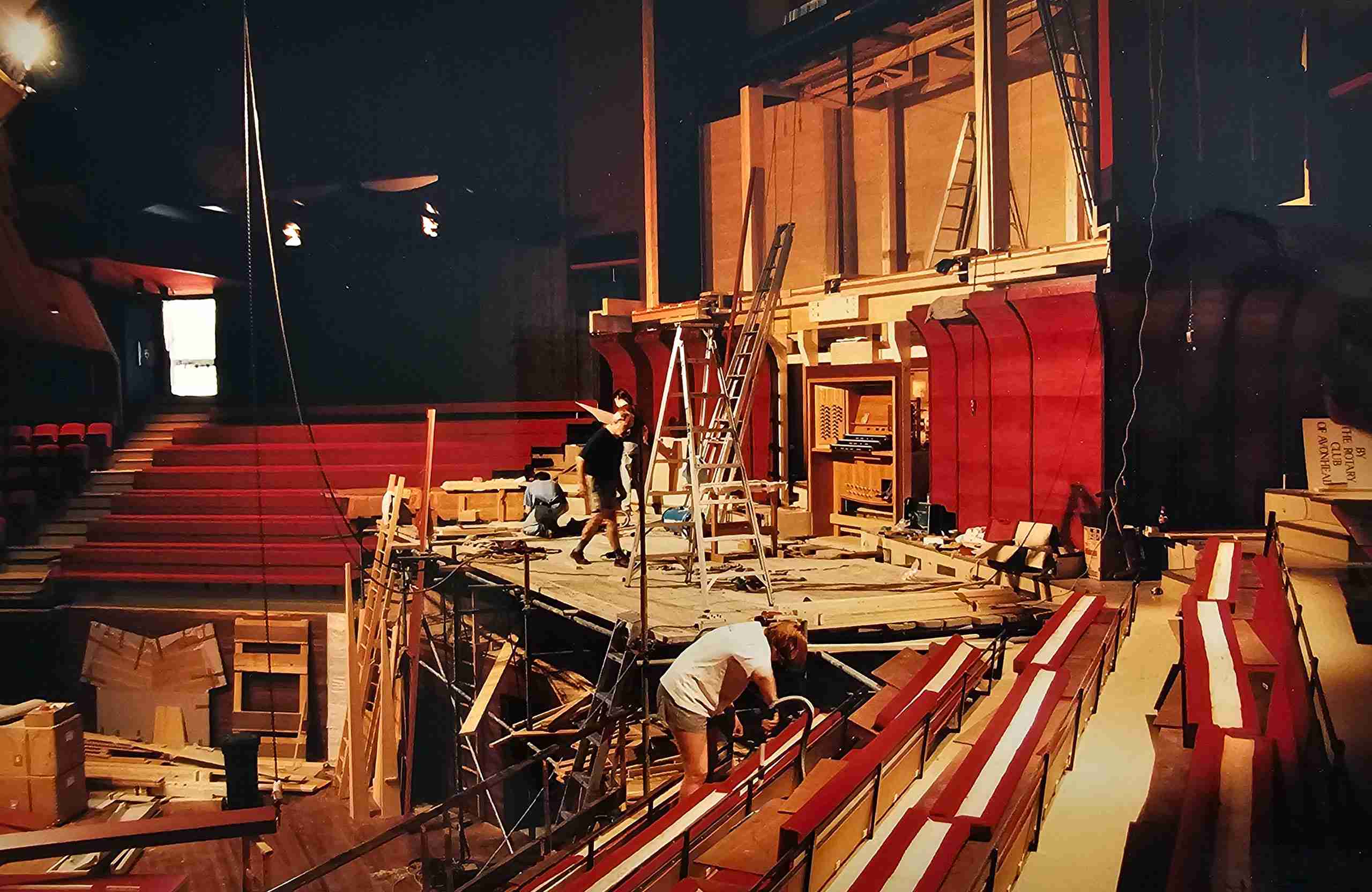
Between January and March 1997 the Christchurch Town Hall Organ was finally installed, after decades of private fundraising. View the progress below.
The Story and Building of the Organ
From the first packing crate to the end of the opening festivities we followed the naissance of the organ with video film, photographs and text. Updates were added almost daily so that others on the far side of the world could take part in this life-long dream of thousands. We hoped the simple text and small photos might also instruct a little, as well as bringing pleasure; but above all, this is a documentary, warts and all, of a major event in a community.
But first, the very beginning, long, long ago. . .
When the Christchurch Town Hall was opened in 1972 provision was made for the installation of an organ in the auditorium. Proceeds from some of the opening events, the sale of the Civic Theatre organ, and a donation of $10,000 from Mr Jack Ferrier formed the basis of a fund towards the provision of an organ.
In 1980 the Civic Music Council took up the cause and established a fund-raising committee. Some progress was made and in 1984 the Town Hall organ Trust was established. A major boost to the fund was received in 1987 when Mr and Mrs Bernard Bicknell donated $100,000. (Mr Bicknell was the Clerk of works during the installation of the organ).
In 1991 the then Town Hall Board, the Civic Music Council, and other supporters invited submissions from a number of organ-building companies, with Rieger Orgelbau from Austria providing a comprehensive presentation and being accepted as the best builder for needs of the Christchurch Town Hall organ.
With a legacy from the late Catherine Calder aided by high interest rates, the fund reached $350,000 and the figure was further swelled by a grant of $150,000 from the New Zealand Lotteries Board. A cheque for $500,000 was handed to the City on the occasion of the Town Hall's 21st anniversary in September 1993. This $500,000 was added to the Christchurch City Council Organ Trust Fund of $308,000 making a total of $808,000.A new fund-raising committee was set up by the Rotary Club of Avonhead chaired by Mr Ron Long. Their undertaking was to raise $200,000 and this meant that the Town Hall Board was able to present to Council a proposal for Rieger Orgelbau to build the organ for the Christchurch Town Hall. The total cost is approximately $NZ1.2 million.
Behind all this are the persistent efforts of many thousands in the community who have never given up the vision. Small and large groups have been behind the cause, and many have grown up always conscious of the dream of having a city pipe organ installed.
As one correspondent to the webpage guestbook put it:
"...while a pupil (in the 70s) at Christ's College I was inviegled into the various fundraising schemes for the Town Hall organ back then. I have always been very inspired by the glorious majesty and power of the organ and having visited many international performing centres, have envied those with instruments installed. It now looks as though we will have an organ well worth the lengthy wait and considerable effort."
View Progress by Month
January 1997
Remember: these images are mainly video frame grabs, hence the low resolution. But they were the best we could do, given the technology of the day and time restraints of daily uploads (often long after midnight).
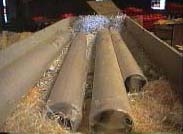
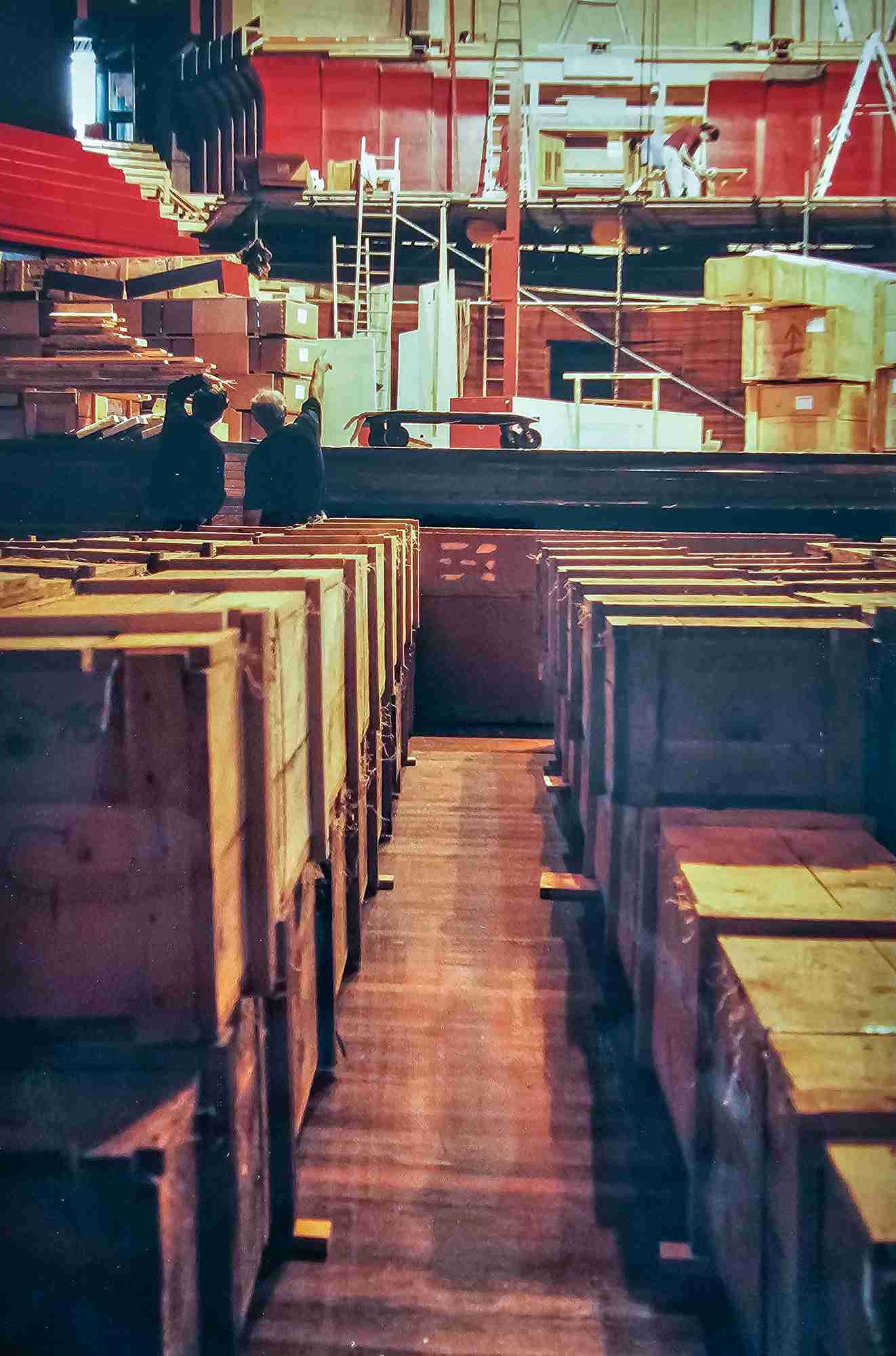
Pipes carefully crated and ready to unload
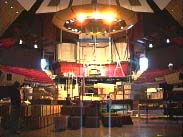
Work on the organ began in the small Austrian town of Schwarzach about three years ago, but fund-raising for the approximate $1.2million has been going for several decades.
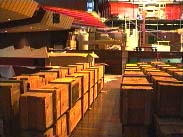
Many of the 3372 pipes will remain in their packing crates until the organ case is erected, to protect them from dust.
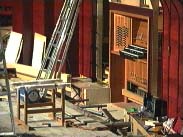
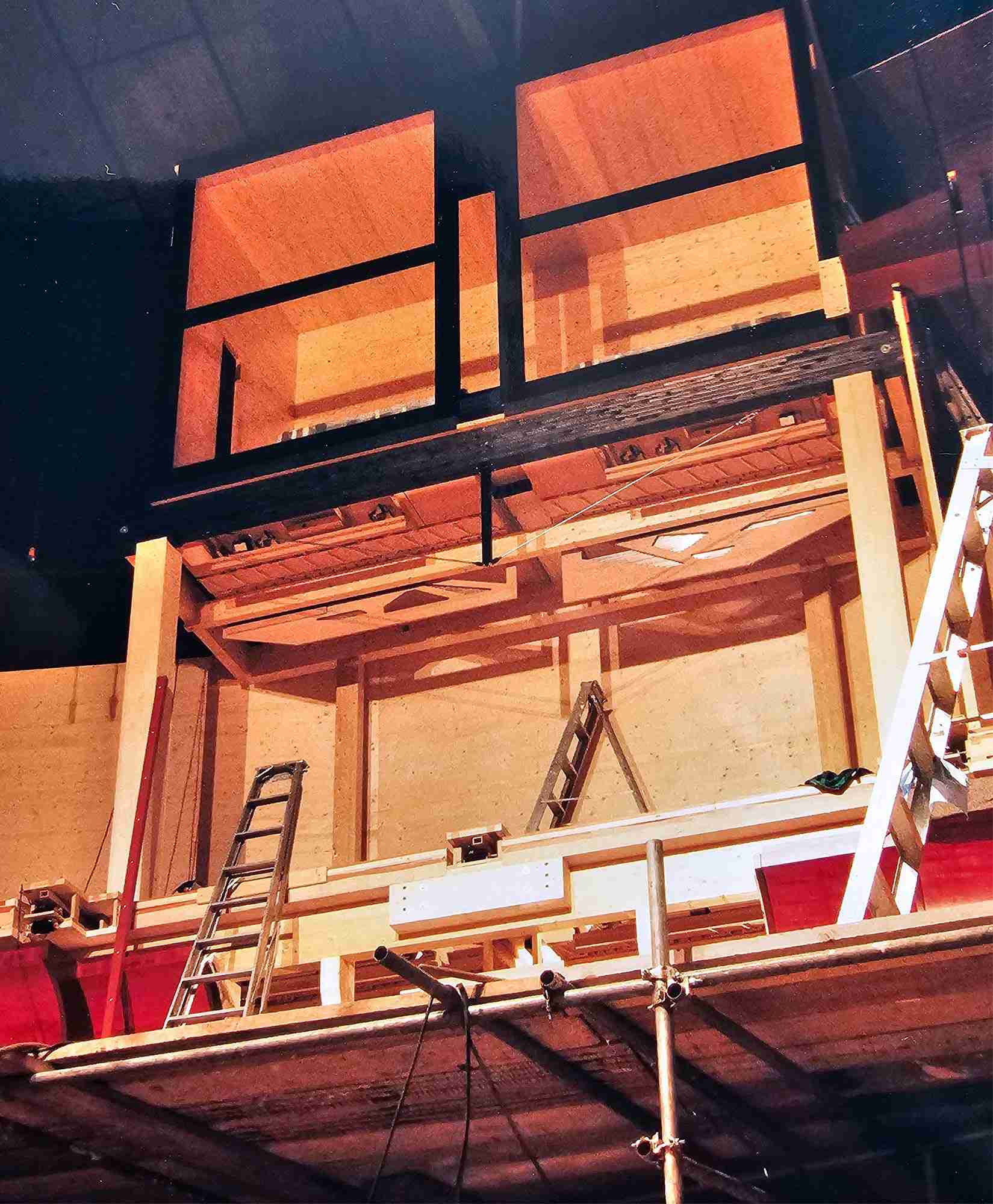
Four craftsmen from the Austrian firm of Rieger Orgelbau have been installing the organ since the beginning of 1997 and already the massive frame is in place at the front of the auditorium.
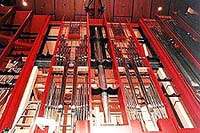
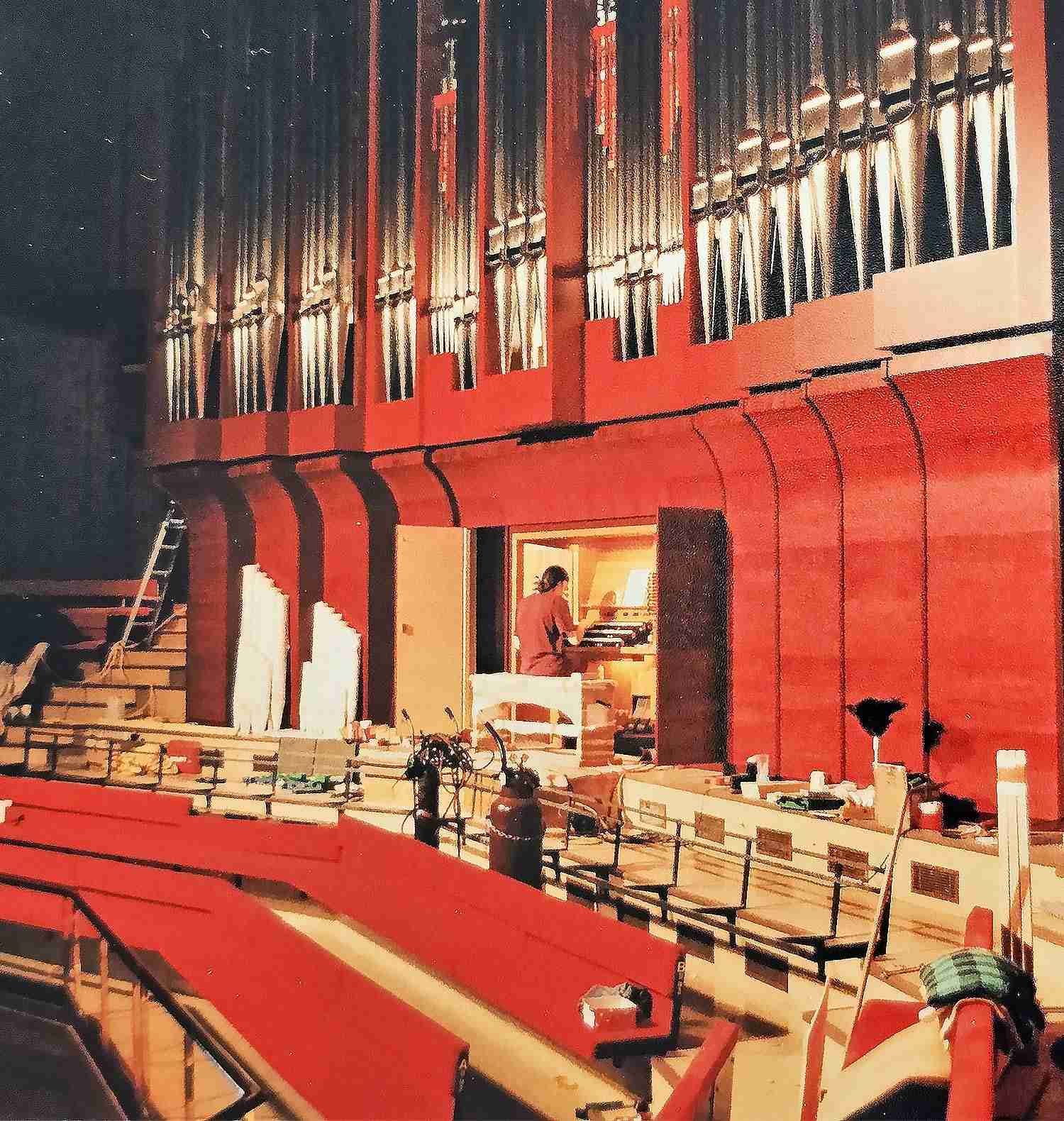
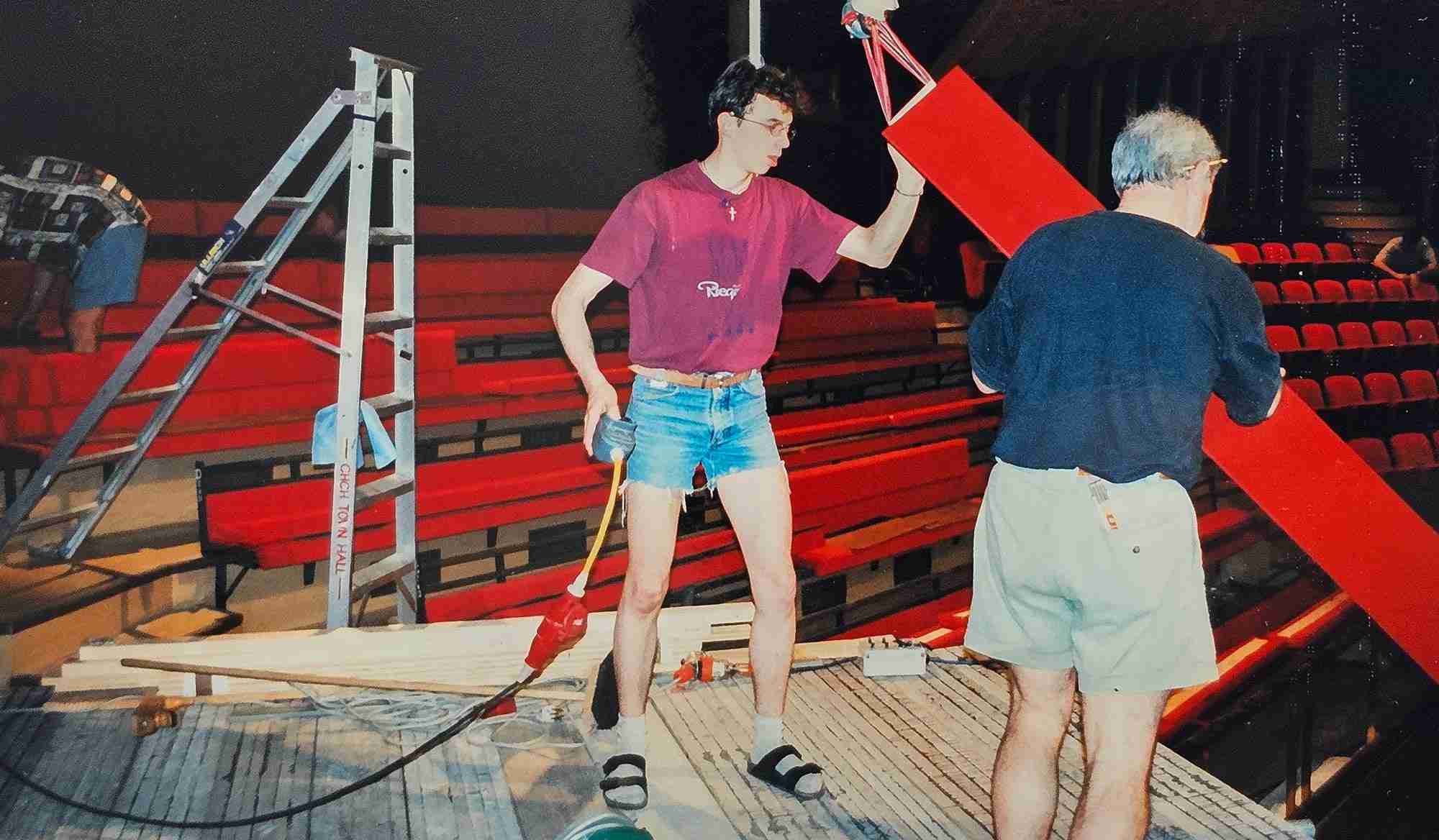
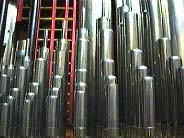
The front of the organ case starts to take shape as the Principal pipes are put in place.
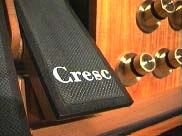
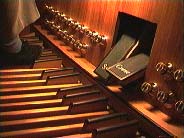
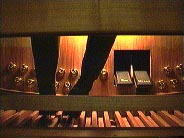
The player’s feet also operate these black pedals. The crescendo pedal makes the sound gradually louder.
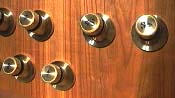
Quick changes in sound can be made using these toe pistons when the hands are busy.
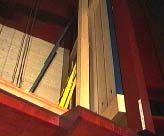
Four of the large wooden pedal pipes were the first to be placed in position
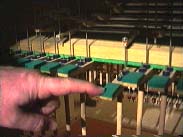
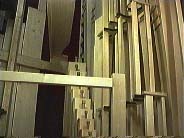
The player’s feet on the pedal keys will eventually operate these tracker rods.
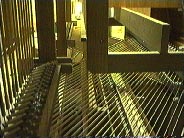
The tracker rods
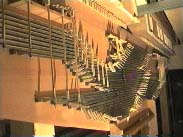
A view behind the console shows the keys are connected to the pipes by mechanical action.
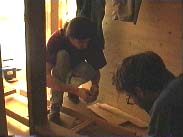
Thomas and Georg, two of the four organ builders from the Rieger firm, at work inside the organ case
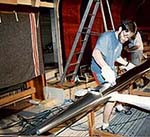
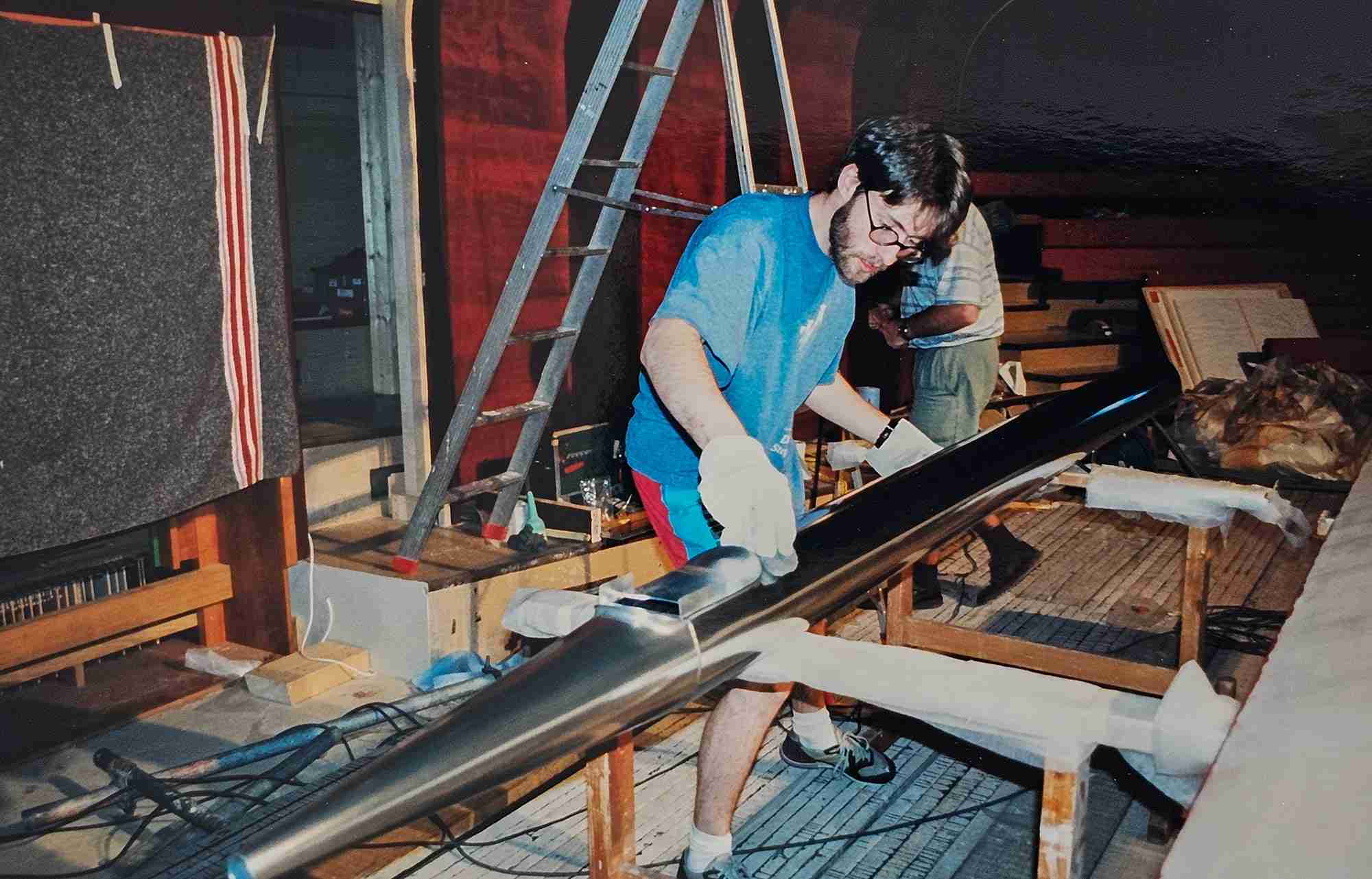
Georg polishes one of the metal pipes ready for hoisting into the front of the case, which is made from Austrian spruce and maple
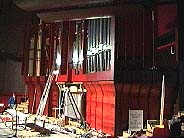
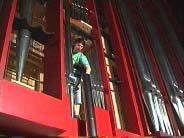
The small figure gives an idea of the size of the instrument
All handling of the metal pipes is done with extreme care, using gloves
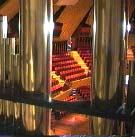
Looking through the principal pipes out to the auditorium
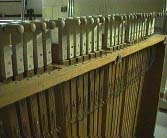
The underside of the concave and radiating pedalboard which is waiting to be positioned
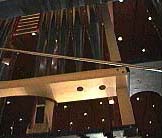
Non-sounding pipes visible (on the left) are used to complete the facade display
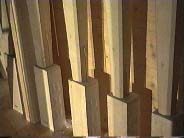
Wooden resonators of pedal pipes at the back of the organ
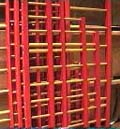
This red and gold gridwork will serve as decoration for the facade
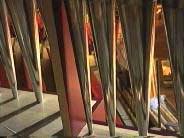
Looking out to the auditorium
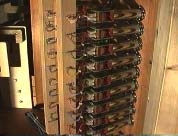
Back of the stop jambs, protected by metal encasings
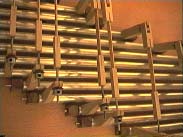
Rollerboards transfer the motion sideways from the keyboard width to the chest width
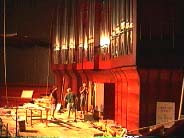
Aside view of the right of the organ case
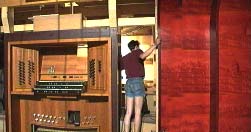
Dominik looks into the case from door beside the console
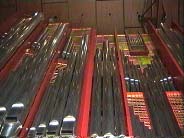
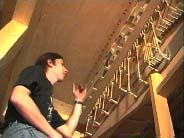
View upwards of the left side of the facade
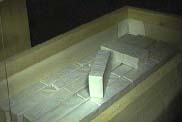
Bricks on the reservoirs regulate the wind pressure
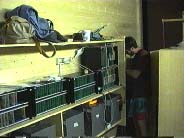
Georg works on the electrical componentry in the blower room
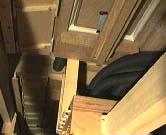
Wind trunking conveys wind from the bellows to the wind chests
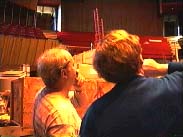
Armin Schwendinger (left) with Martin Setchell
Georg works on the rollerboards behind the console
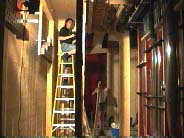
Thomas Hayden works on the rollerboards in the great case while below him.
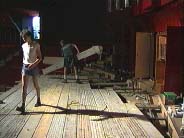
Scaffolding is now removed from the front
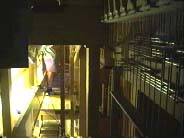
Thomas’s legs viewed from the pedal department
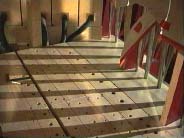
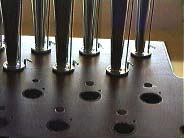
Holes in the windchest where pipes will eventually go
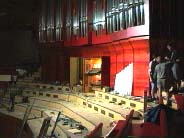
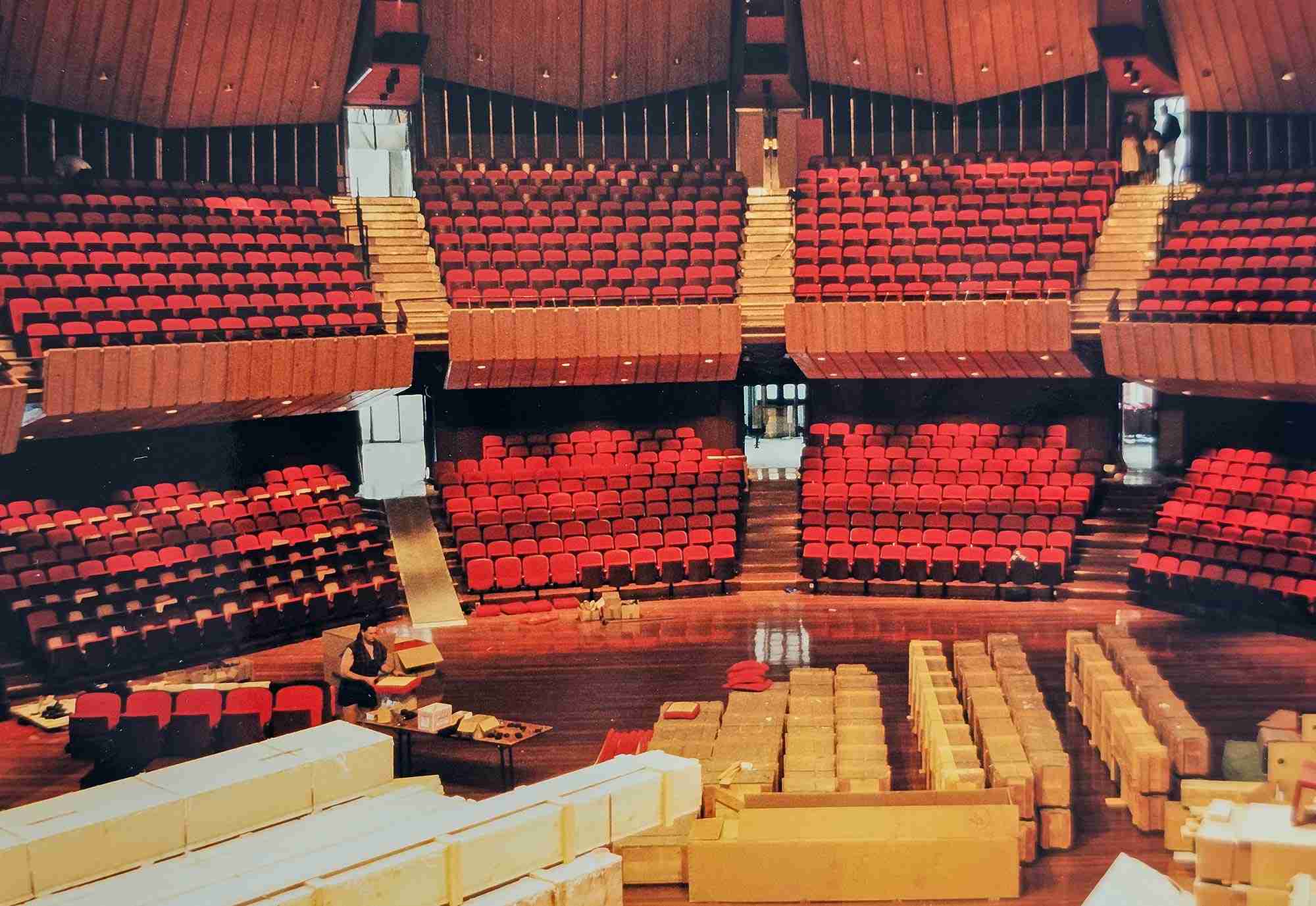
Seating will be re-installed in front of the organ
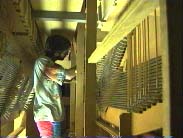
Georg balances on narrow beams while working on the rollerboards
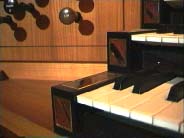
Three manuals (keyboards) are connected by mechanical (tracker) action to the divisions of the organ
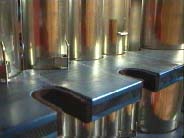
Principal pipes – the side the audience doesn’t see
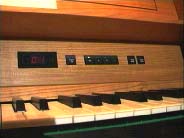
Modern technology helps the organist, with sequencer systems and video monitoring
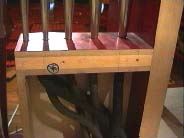
Flexible tubing connects the front pipes to the wind chests
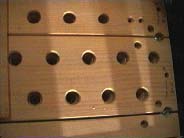
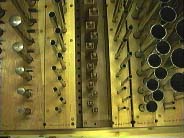
Not Swiss cheese, but the top of one of the wind chests before the pipes are positioned
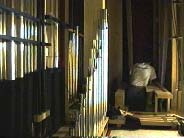
Dominik installs some of the flexible tubing in the corner of the Great division
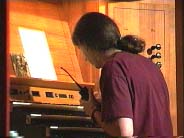
While Thomas sits at the console testing the action, he uses two-way radio
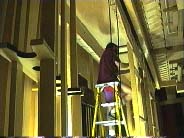
Keep in touch with Georg inside the case, who adjusts the tracker action where necessary
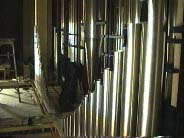
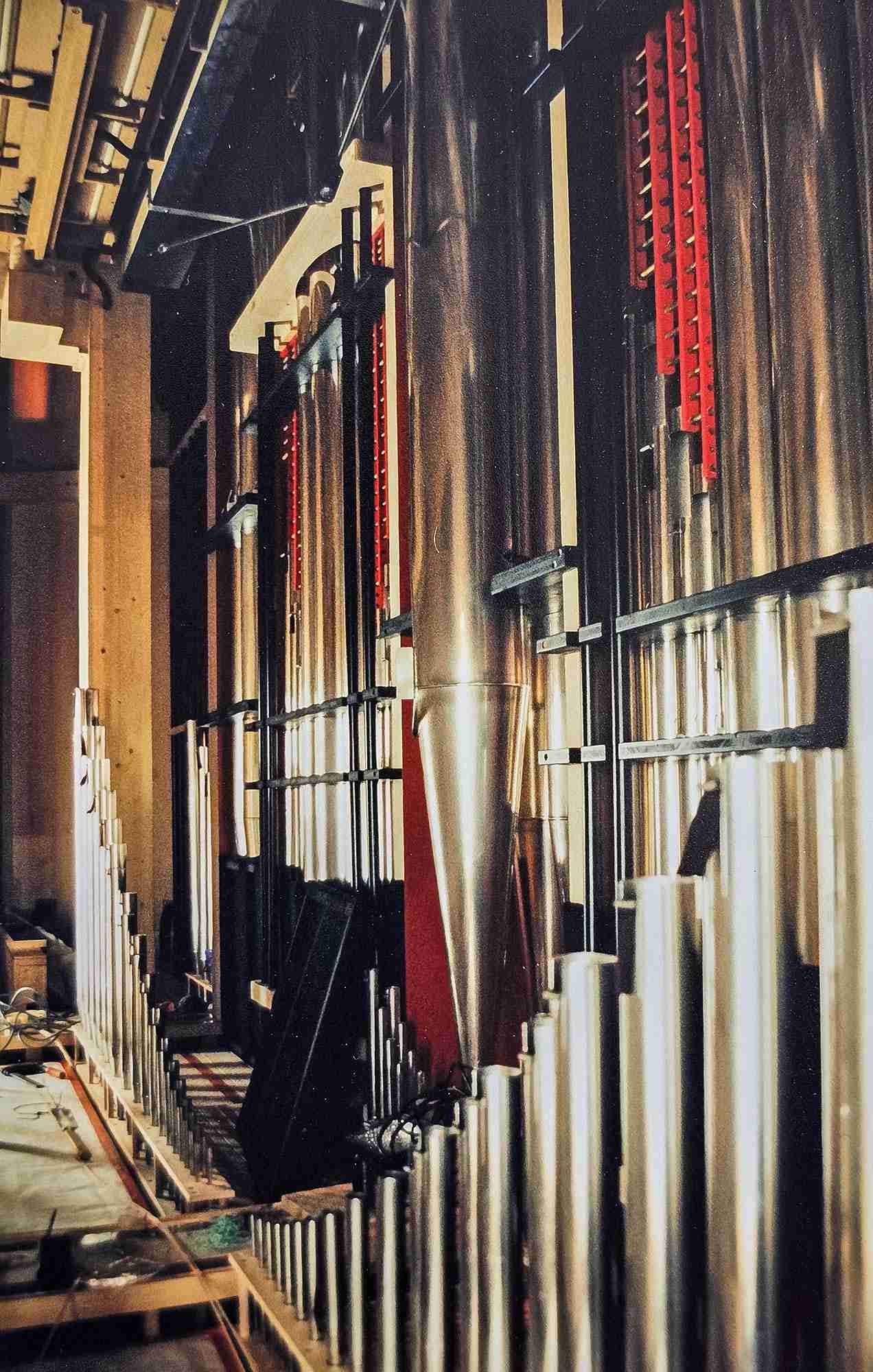
Gradually the ranks are added. Here the Great division takes shape
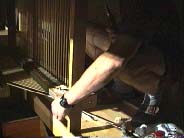
It is becoming a tight squeeze now behind the console
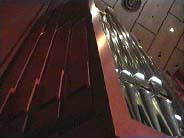
A corner of the organ case
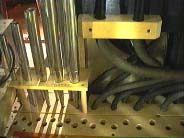
Great division
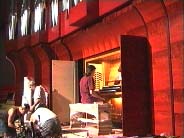
The day of the first concert of 1997 in the auditorium (minus organ of course!), workmen are finishing the refurnishing of seats which has been undertaken at the same time as the organ installation
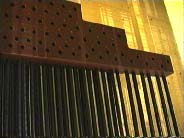
Bombarde pipe holes
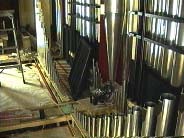
Inside the Great division
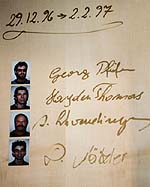
For centuries organ builders have signed their work. In the 20th century they can now also add their passport photos.
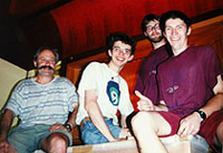
(from left): Armin Schwendinger, Dominik Maetzler, Georg Pfeifer, and Thomas Hayden
February 1997
Construction of the main components is nearing an end.
February 2nd 1997: Installation of the organ is now finished for three of the four Rieger craftsmen responsible for this first stage: (from left): Armin Schwendinger, Dominik Maetzler, Georg Pfeifer, and Thomas Hayden. All have returned home except for Dominik who remains to finish the last sections and pipe placements, and to help with the next vital stage, the tuning and voicing.
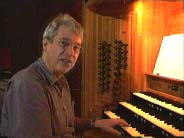
The vital work of tuning and voicing is now in the hands of Klaus. It is possible to voice about only one rank a day
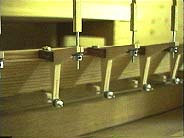
Mechanical action- pedal trackers
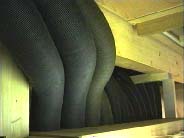
Massive wind trunking which connects the wind chest to the pedal pipes
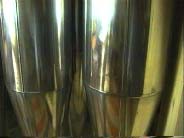
Wide-scale flute pipes – these produce a stronger fundamental. The scale shown here is the widest used by Rieger
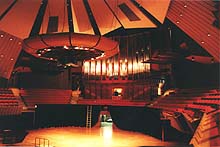
Martin savours the first sounds of the flûte harmonique
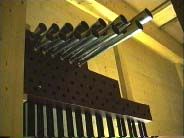
Bombarde pipes are gradually being added. Compare with view Feb 7
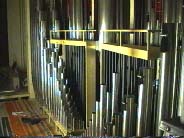
More of the Hauptwerk pipes are added each day. The frame for the cornet ranks can be seen mid-photo. Compare with same view, Feb 7
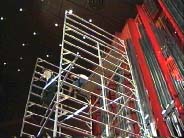
Scaffolding is erected in front of the case to enable Klaus to reach the large front Principal pipes
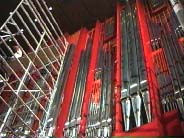
Scaffolding going up – vertigo sufferers need not apply!
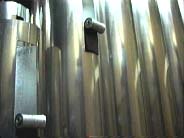
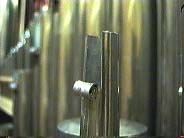
Tuning roll (or scroll) at the top of the open metal pipes
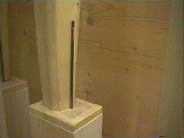
Tuning wire of a pedal reed pipe. Note the wooden resonator.
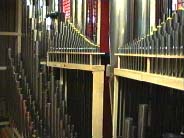
Cornet pipes in their place ready for tuning. Compare with earlier view Feb 11
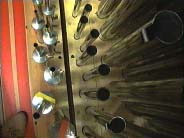
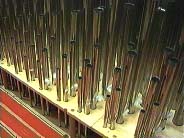
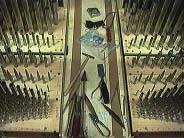
A bird’s-eye view of some of the Hauptwerk pipes on the windchest
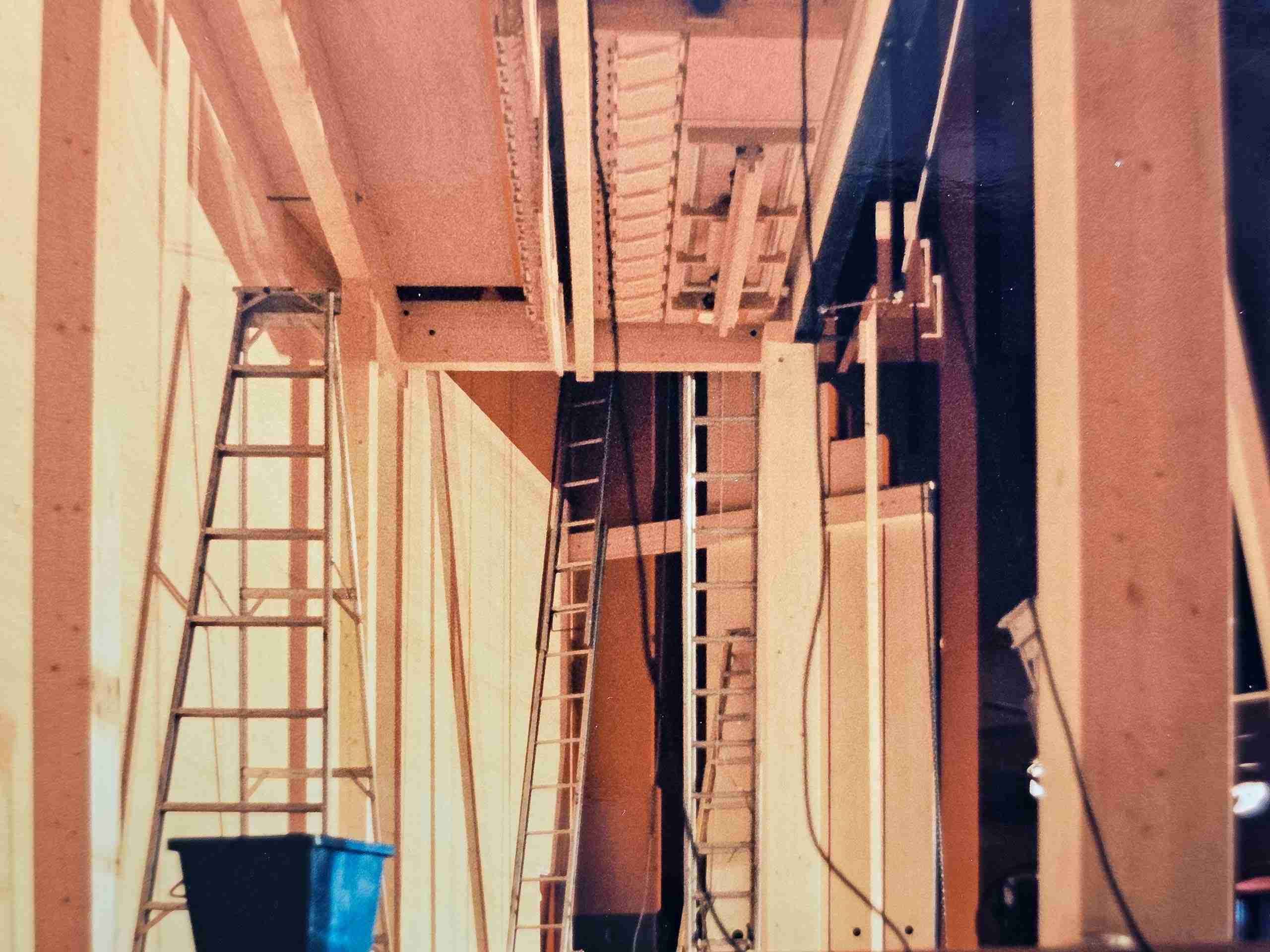
Christchurch-town-hall-organ-framework-during-installation-1997
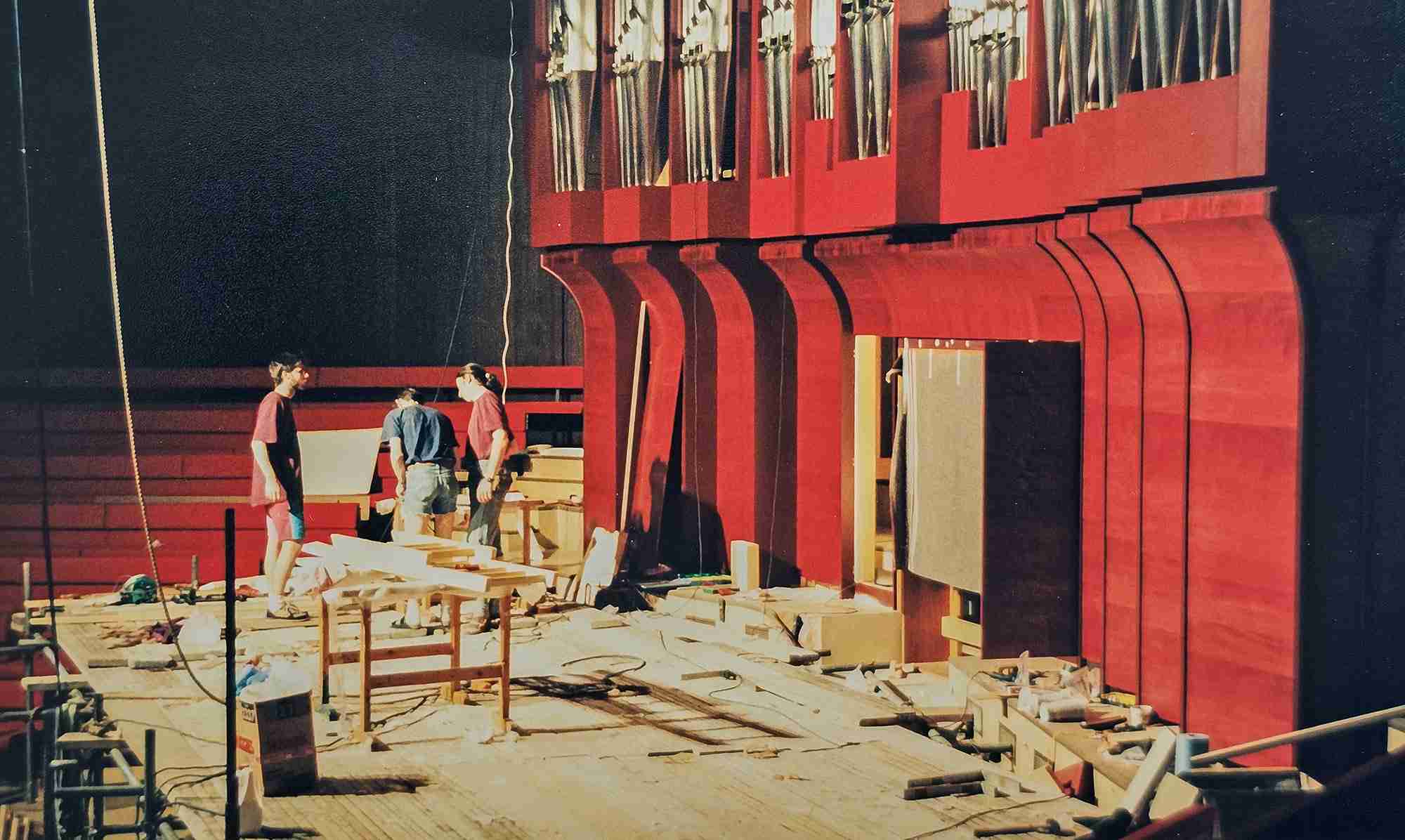
ChristchurchRieger-organ-staging-during-installation1997
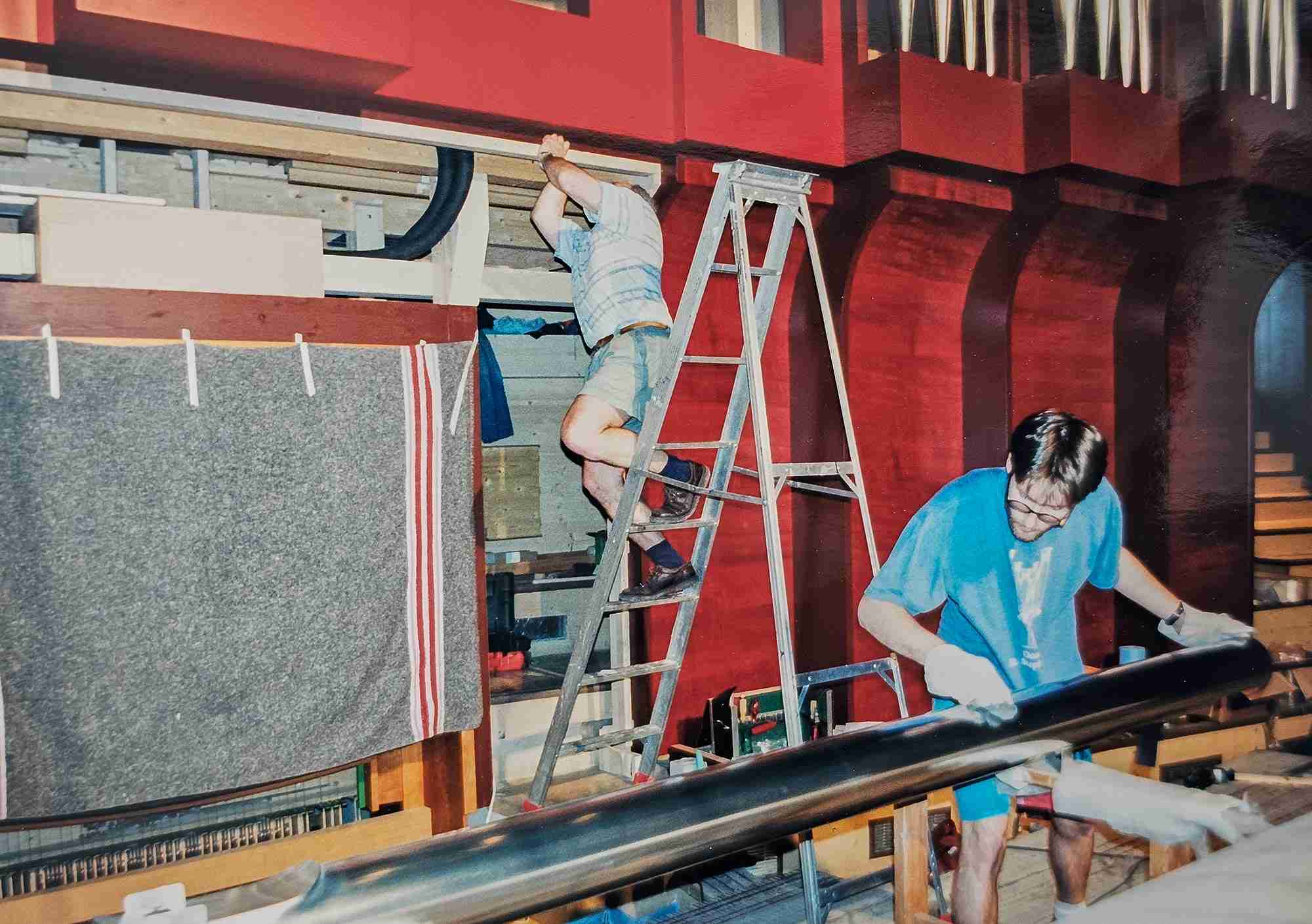
completing-the-facade-of-the-Christchurch-town-hall-organ1997
crates-of-organ-pipes-Christchurch-town-hall-1997
fine-tuning-pipes-Christchurch-town-hall-installation-1997
framework-for-Rieger-organ-Christchurch-town-hall-1997-installation
great-division-organ–building-progress-Christchurch-Town-Hall-1997
Installation-of-Rieger-organ-Christchurch-Town-Hall-1997
Organ-pipes-awaiting-unpacking-for-installation-1997
polishing-pipes-of-the-Christchurch-town-hall-organ-installation-1997
workmen-lifting-organ-pipes-into-place-1997
Now for the first sounds as Klaus gets to work on the voicing. Then Alois and Klaus listen, Martin tries the flute, principal and gamba ranks
5923323_orig
841086_orig
4379967_orig
1229203_orig
7503906_orig
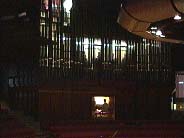
The sound doughnut which is suspended above the stage (seen top right of the picture here) may be raised slightly to improve sight-lines
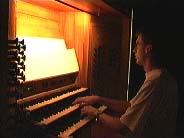
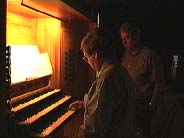
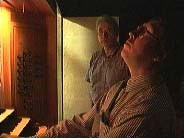
Alois practises a Bach trio sonata
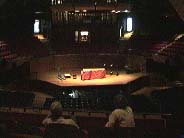
In the auditorium, Klaus and Martin listen as Alois gives a demonstration of the 18 ranks voiced so far.
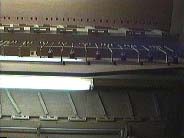
Fluorescent lighting is now installed inside the case
1867191_orig
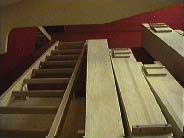
The wooden ladder for access to Hauptwerk and Schwellwerk divsions is fixed to the rear of the case next to the Pedal reed
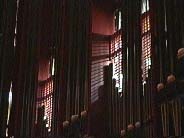
Light filters through from the Schwellwerk
Pedal stopped pipes (Untersatz 32′ and Subbass 16′) are of oak and pine
T he 5 ranks of the Cornet are now complete
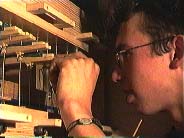
Dominik installs the Untersatz pallet springs
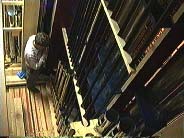
C side of the Pedal Principals 16, 8 and the 4′ Choralbass
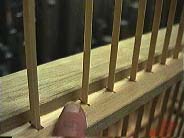
A finger gives an idea of the thinness of the tracker rods
Looking upwards to the Bombarde reed pipes which project horizontally from the rear of the case
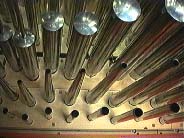
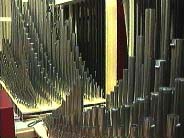
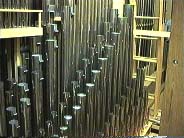
Hauptwerk ranks- from the rear, Gedackt 8′. Spitzflote 4′, Superoctave 2′
Klaus listens…
The Hauptwerk Spitzflote 4′ (pointed flute)
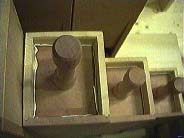
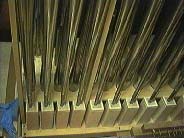
Tight-fitting stoppers of the pedal Untersatz
3508021_orig
1456676_orig
3535352_orig
2019180_orig
4317441_orig
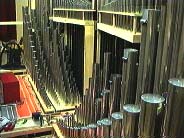
C and C sharp side of the Hauptwerk; from the the left, Gedackt 8′, Octave 4′. Cornet V
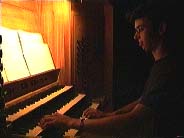
FOOTNOTE- Dominik sends a message to his ex-teacher, Herr Hugo Morscher of Schoppernau, that he still practises – sort of
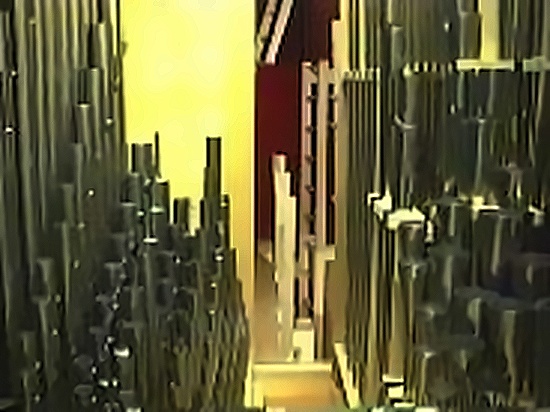
March 1997
Things are coming along "swell!"
A note from that time read: (The first photos of the Swell division are only just appearing because I was too much of a coward to face the climb up and the walk along the "plank" into the swell chamber before a handrail was built. I asked Domink how he coped with heights when building organs. "Not so difficult," he said. " I am a parachutist". - Jenny)
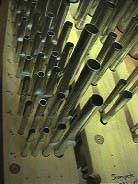
The scharf stop consists of 4 ranks and, like the cornet, must be stopped with cotton wool during tuning
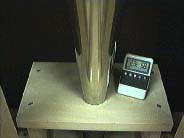
Temperature inside the organ is kept to a constant 23 ° celsius (73 °F)
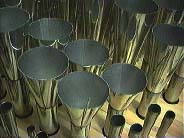
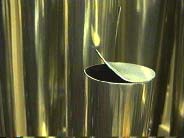
Trompete 8′ reeds, which look like small funnels, are next in line for tuning
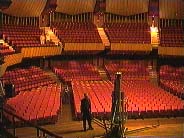
Work on voicing must be fitted in around workmen setting up the auditorium for other concerts
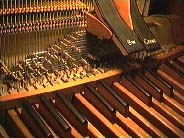
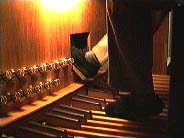
A closer view of the action around the crescendo and swell pedals
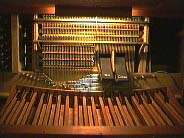
The kickboard has been removed temporarily to make adjustments to the action
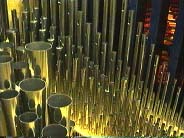
A birds’eye view of some of the swell pipes. Note the baby bourdon 8′ pipes in the centre
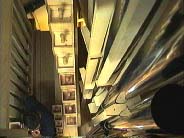
Not for the faint-hearted – the view from the plank.
The top of the hautbois
Seats of the auditorium are just visible through the shutters
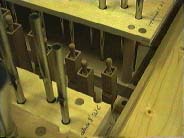
Bourdon 8 wooden pipes are like miniature versions of the 16′ bourdon
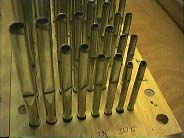
There are 8 pipes for each note of the plein jeu stop
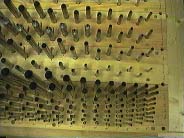
Another bird’s-eye view of the Swell layout
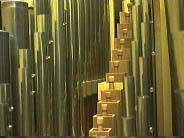
These Bourdon 8′ pipes range from taller than humans to
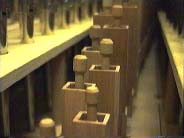
as small as fingers
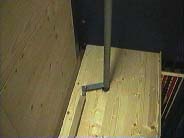
Part of the mechanism on the ledge outside the Swellbox which opens and closes the shutters
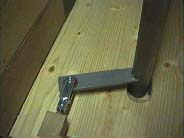
and a closer view
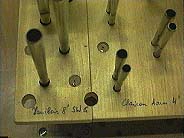
Hautbois and Clarion
Looking_out_resized_550px_AIenhanced
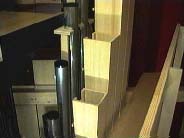
A view from the walkway to the swell, looking at the tops of the pedal reed pipes
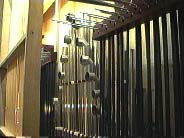
The bombardes with their tops mitred to fit in the space
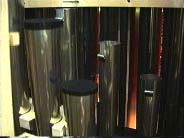
Fagott 16′ pipes are protected from dust by caps of black gauze
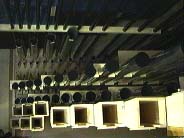
From the swell walkway again looking down the throats of the pedal reeds
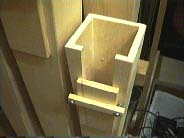
The pedal 16′ posaune and 32′ kontraposaune with wooden resonators
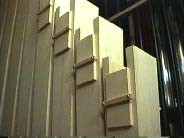
Looking up to the posaune and kontraposaune pipes
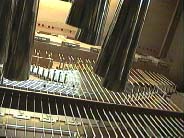
racker rods seen from below the projecting bombardes
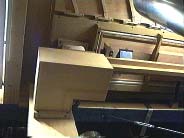
What looks like an angular box is actually the wind trunking leading upwards
How to tune a cornet stop without going crazy
Dominik prepares the Cornet pipes, which have been assembled temporarily in the blower room.
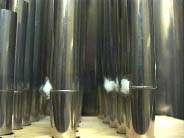
Because the Cornet stop has five ranks of pipes, it would be impossible to tune or voice each rank while the other ranks were sounding, so Dominik has to take four of the five pipes for each note and silence them by putting cotton-wool in the mouth of each pipe. The still-speaking one is then played, and tuned.
Pipe-by-pipe the cotton-wool is removed and swapped around until all pipes have been individually voiced and tuned. Here the Cornet pipes wait in line behind the Principal pipes in the Hauptwerk for tuning.